Blog · 2026-11-12
Non-Toxic Fidget Toys: How to Choose Safer Materials
Non-toxic is a claim about a finished item, not a material name. Start with how ABS, TPR, and silicone actually behave, then ask for the reports that match your market.
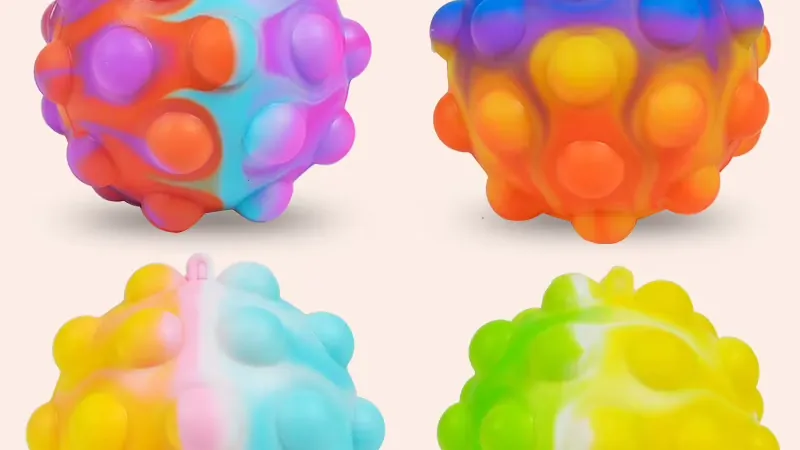
Buyers type "non toxic fidget toys" into a search because they want goods a retailer or a parent will not send back. That is a fair brief. It is not, by itself, a material. A listing that says "non-toxic TPR" or "food-grade silicone" is describing a hope, or a grade of resin the workshop intends to use. It is not a test report for the toy you will ship.
This note is for wholesale buyers choosing a fidget or a squishy, and trying to be honest about materials before anyone talks about color. It sits next to our longer piece on PU, TPR, or silicone, which is about feel and decoration. Here the question is narrower: what the common plastics actually do in the hand, and what you should ask a supplier to prove.
Whisker & Co. is a sourcing desk. We work with partner workshops. We will not stamp a safety badge on this page, and we do not hold certificates for you. If a report is required for your market, say so in the brief. Testing is arranged when you ask, through accredited labs, on the approved item. The plain version is in toy safety testing for export.
What "safer" can mean, and what it cannot
Safer is a comparison, not a slogan. It can mean a lower odor once the piece leaves the bag. It can mean a surface that wipes clean. It can mean a solid that does not shed paint onto a child's hand. It can mean an age grade you are actually willing to print, and a design that does not fight that grade with a detachable small part.
It cannot mean "this material is automatically safe." Silicone is not safer because the word sounds technical. ABS is not safer because it is hard. TPR is not safer because it is soft. Each material has a typical feel, a typical odor, a typical way of tearing or scuffing, and a typical way of taking a logo. The finished toy still has to be reviewed against the market you name.
A sample answers one question at a time. Smell the piece the way a shopper will: soon after it leaves the pack, not after it has aired on a desk for a week. Press it, pinch it, and look at the seam. If a report matters, the sample you approve is the one that should be submitted. A similar toy from last season is not the same item.
ABS
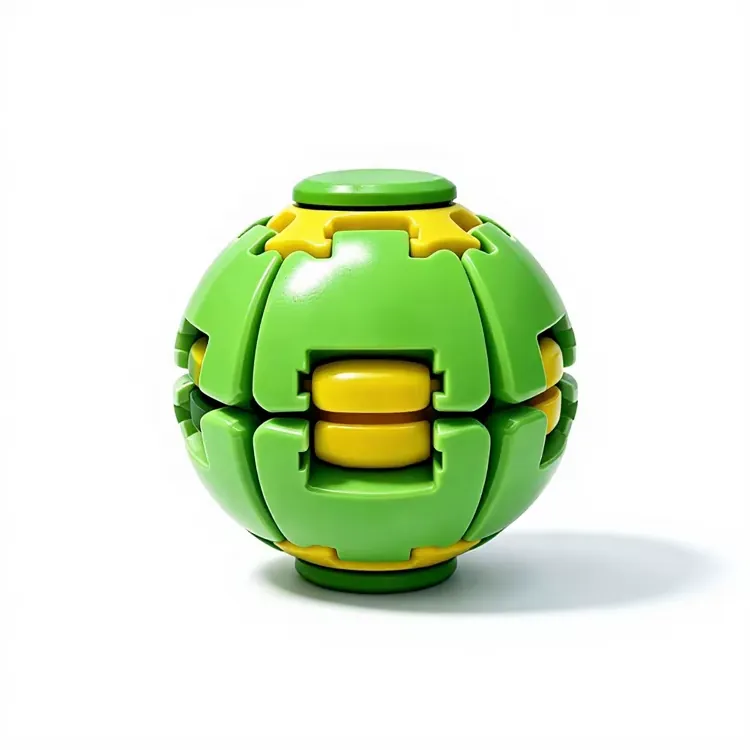
ABS is a hard, opaque plastic. It is the usual body for a cube, a clicky fidget, a spinner arm, or a brick element. It holds a crisp edge. Color is typically molded in, or painted on a small area. A logo is often a pad print, a molded mark, or a tag — not a soft printed skin.
ABS does not squeeze. If a buyer wants a press-and-recover fidget, this is the wrong family. If a buyer wants a repeating mechanical action and a piece that can sit in a pocket without collapsing, ABS is often the starting conversation.
The surface can show scratches. Thin hinges and tight pins are the parts to watch on a sample. A cube that feels smooth on day one and gritty after a week of folding is telling you something about the fit, not about a slogan on the bag. Age grading still has to be decided: a small detached pin is a small part, whatever the resin is called.
TPR
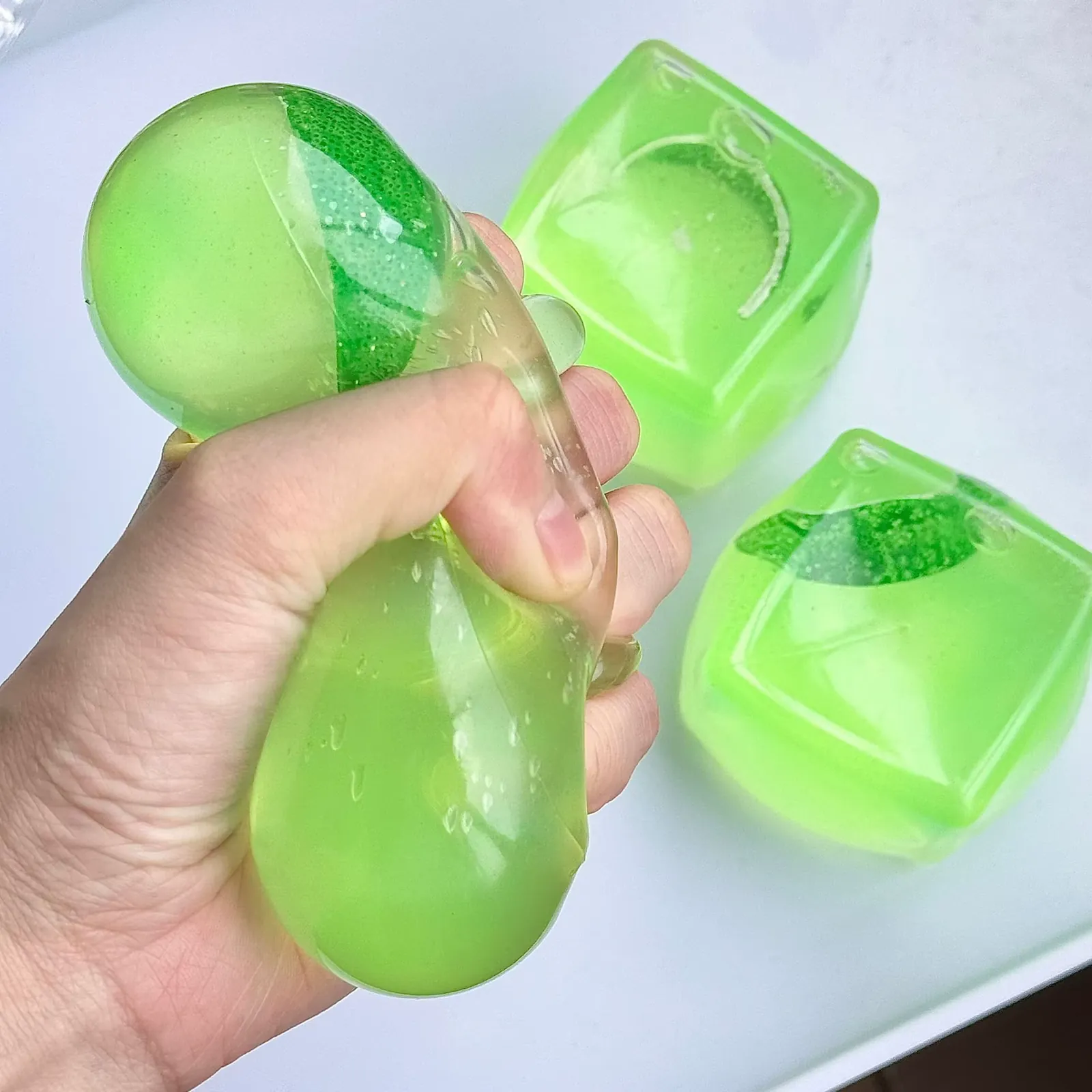
TPR is a soft solid, sometimes clear or translucent, sometimes holding a colored fill you can see. It feels denser than foam. It does not climb back in the slow way a PU squishy does. That is why jelly cubes, rice-ball shapes, and filled fruit pieces usually sit here.
Color often lives in the material itself. A logo is usually a hang tag or a simple print, not a painted scene. If your brand needs a detailed illustration on the toy, TPR may be the wrong canvas. If your brand needs a glossy, food-like, see-through look, TPR is the conversation.
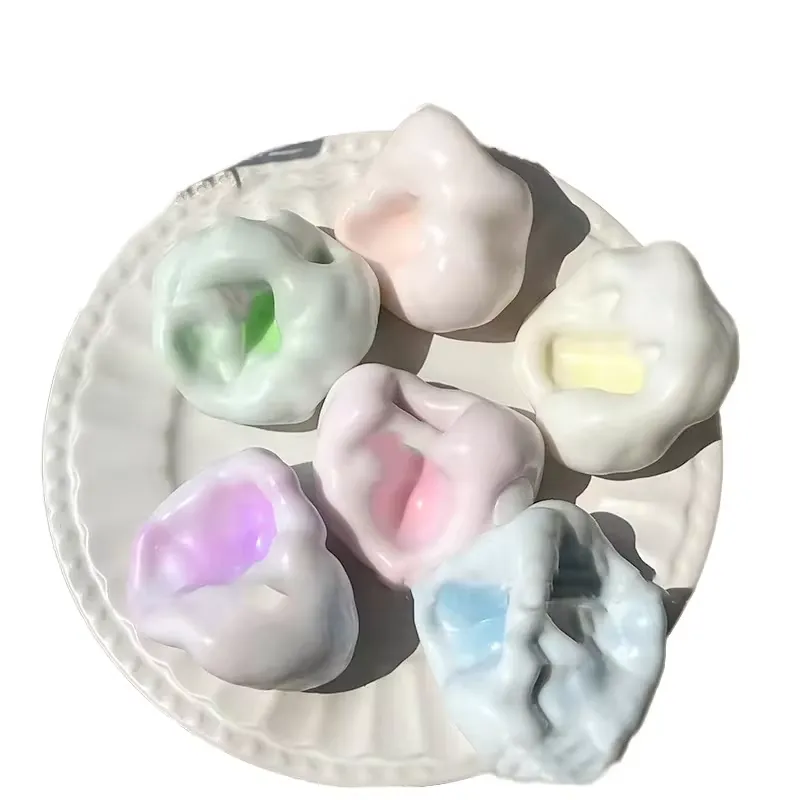
Against a light squeeze, TPR holds up well. Against a cut, a bite, or a sharp fingernail, it can tear. Odor varies by compound and by how the piece was packed. Ask to smell a piece that has been in the inner bag, not only one that has been sitting out. The squishy and fidget line on this site includes TPR pieces you can add to an inquiry, including the rice-ball style that shows a translucent center.
Silicone
Silicone feels smoother and more "rubber" than foam or TPR. It is a common choice when the piece should be wiped, when the shape is a pop surface, or when color is molded rather than painted. Glitter can be mixed in. A thin wall can collapse and stay collapsed, so the sample should be the wall thickness you intend to sell.
Silicone is often marketed as the "clean" option. Treat that as a prompt, not a conclusion. It has its own odor, its own tear behavior, and its own packing needs. A pop surface that splits at the bubble is a design and a thickness problem. A molded logo can work; a large painted graphic usually does not.
A practical comparison
| Material | Typical feel | Color and logo | Watch for on the sample |
|---|---|---|---|
| ABS | Hard, crisp, mechanical | Molded color; pad print or molded mark | Hinges, pins, sharp edges, scuffs |
| TPR | Soft, dense, often translucent | Color in the material; tag or simple print | Odor in the bag, tears, cloudy film, fill leaks |
| Silicone | Smooth, rubbery, often wipeable | Molded color; mixed-in glitter | Wall thickness, collapsed shapes, split pops |
| PU foam | Slow-rise, painted surface | Painted detail sits on the skin | Odor, surface scuffs, creases after packing |
PU foam is on this table because buyers still ask for a "squishy" and mean a slow-rise bakery shape. It is a different job from TPR or silicone, and it has its own odor and scuff story. The material note linked above is the place to take that further.
What to ask for, and what not to assume
Name the market. Name the age grade you are willing to print. Name the job: a squeeze, a click, a pop, a desk object. Then ask the sample to prove the material in that job.
Before bulk production, ask your supplier for the test reports your market requires. A report is lab work on a specific item. It is not a badge we will print on a product page, and a report for a similar fidget is not a report for yours. Ask your supplier, or ask us in the inquiry, to arrange testing on the approved sample through an accredited lab.
Do not treat "food-grade" or "non-toxic" on a supplier photograph as the report. Do not change the compound after the sample is approved and assume the paperwork still applies. Material changes are a new test story.
When the material and the market are clear, send the brief. Include the job, the market, and whether a report is required before bulk. The checklist for what the squishy sample should actually prove is here.